Dragon Age II
Lead UI/UX Artist
BioWare
PC / Xbox 360 / PS3
2011
Project Overview
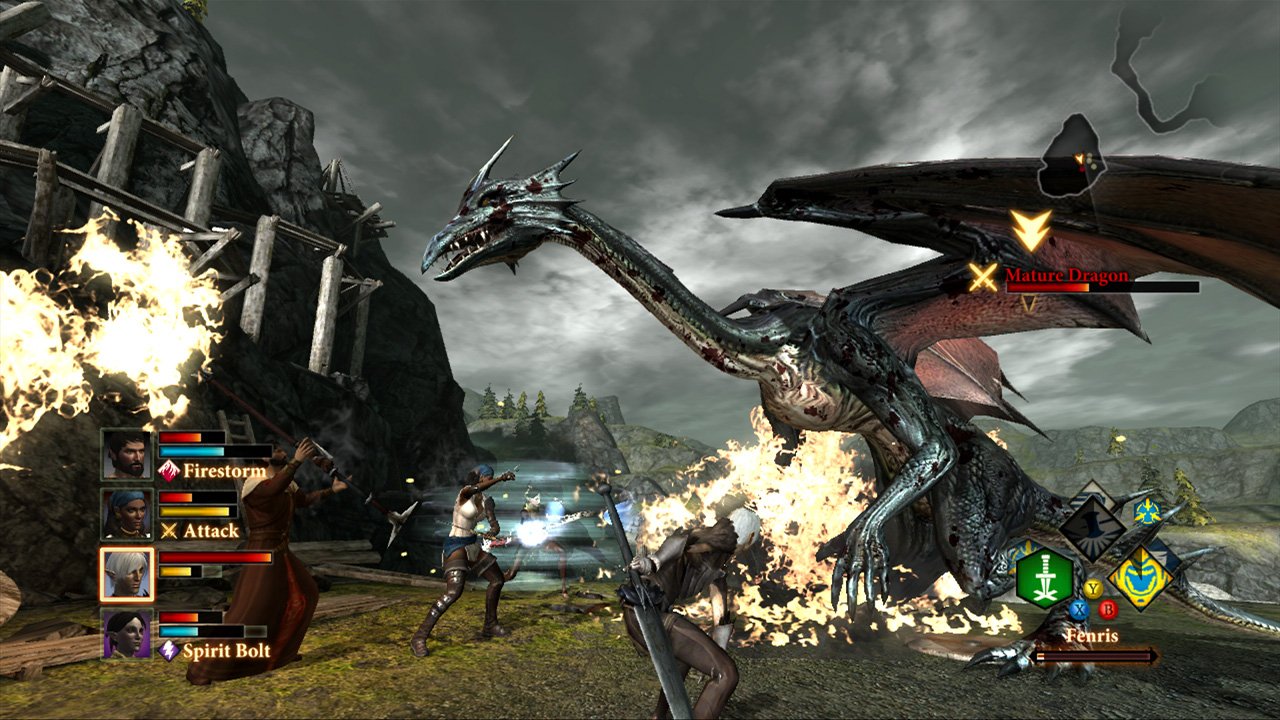
Dragon Age II represented a significant shift for the franchise, introducing faster combat, a more focused narrative structure, and a stronger emphasis on console accessibility.
As Lead UI/UX Artist, I was responsible for helping evolve the interface to support this new direction while preserving the depth expected from a Dragon Age RPG. The project also operated under a much shorter production schedule than Dragon Age: Origins, requiring rapid iteration and close collaboration across disciplines.

Evolving the Dragon Age Interface
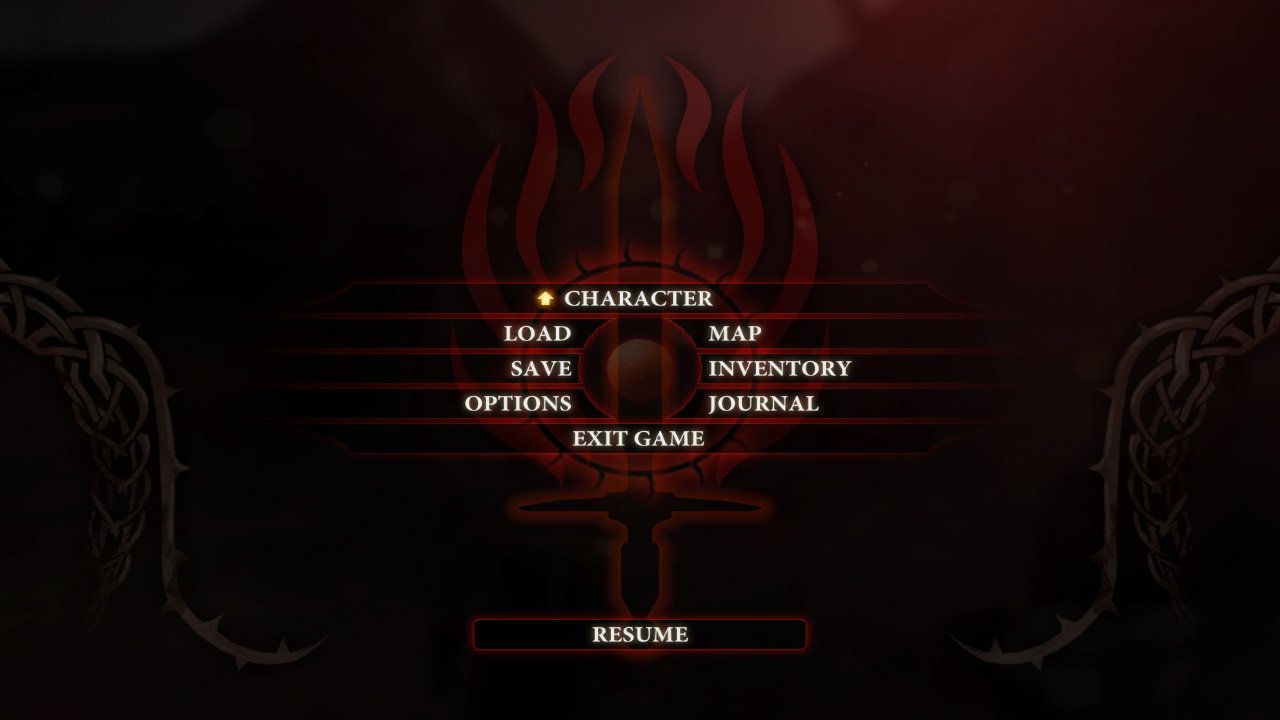
One of the primary goals for Dragon Age II was improving the speed and clarity of player interaction.
Many of the game's systems, including combat, inventory management, character progression, and dialogue, were redesigned to reduce friction while maintaining access to complex RPG mechanics. The challenge was finding ways to streamline interaction without removing player choice or tactical depth.
The resulting interface emphasized faster navigation, clearer hierarchy, and stronger visual feedback across both console and PC platforms.


Character Progression & Ability Trees
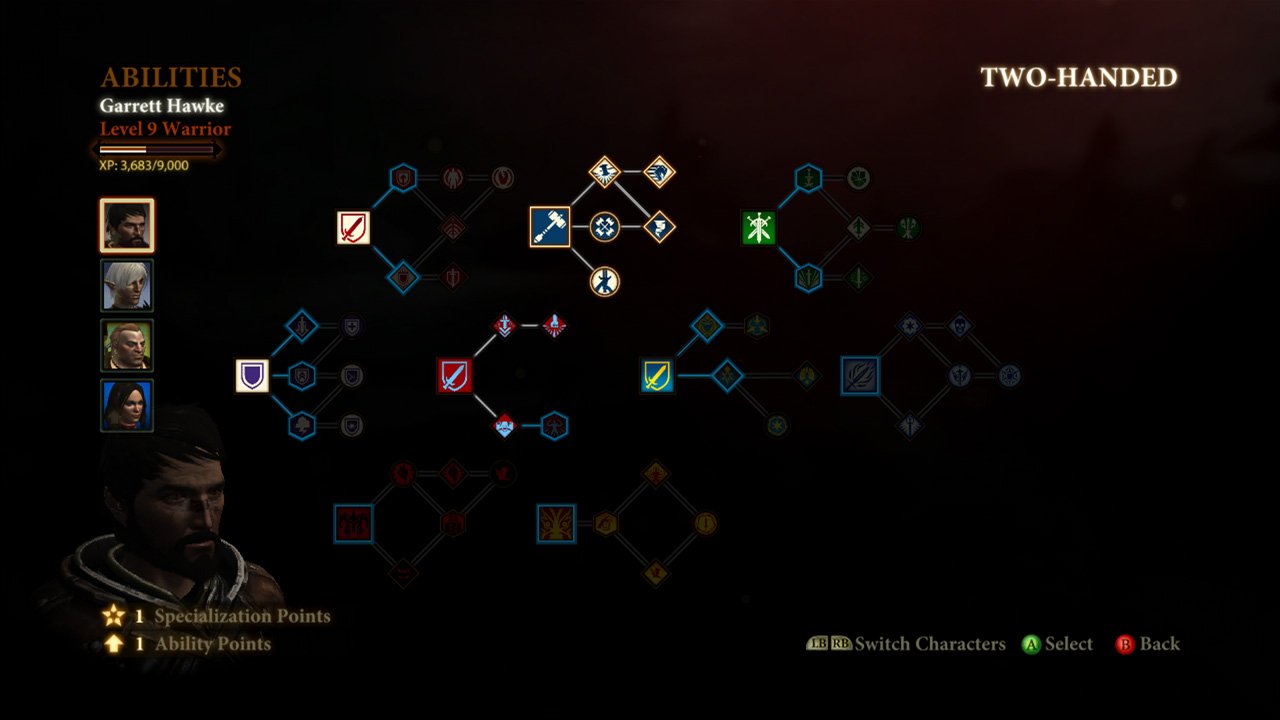
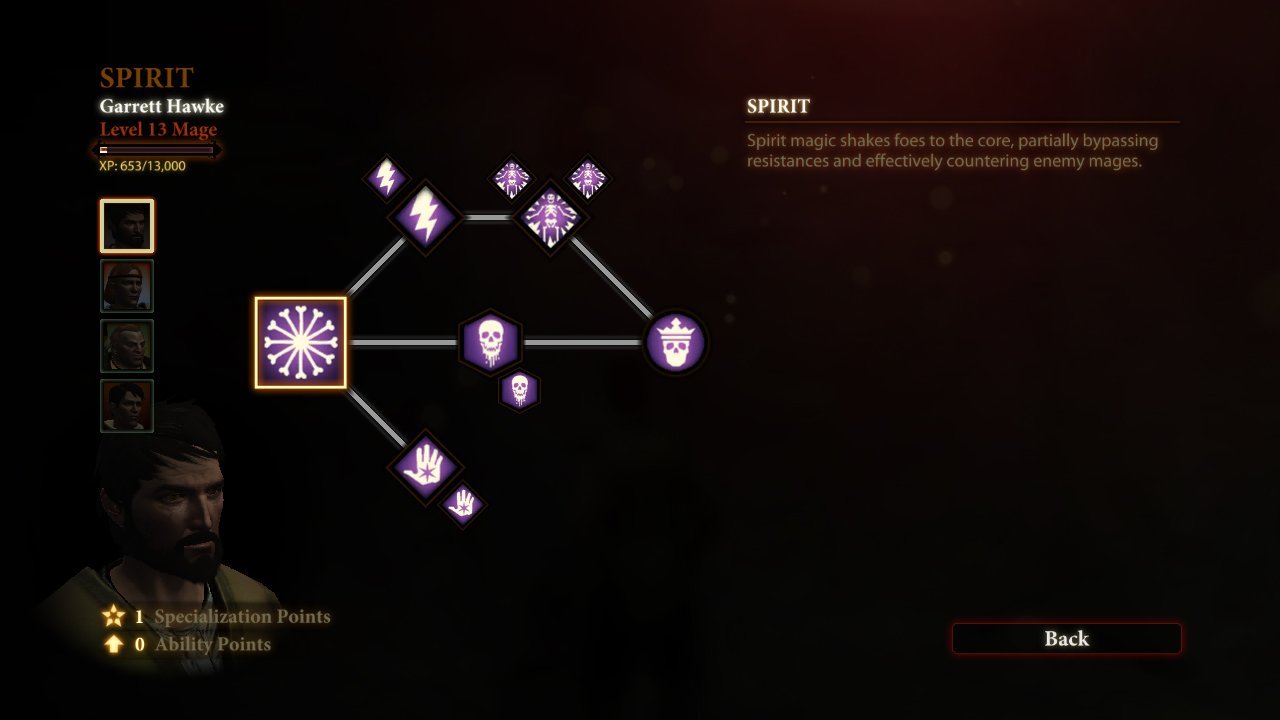
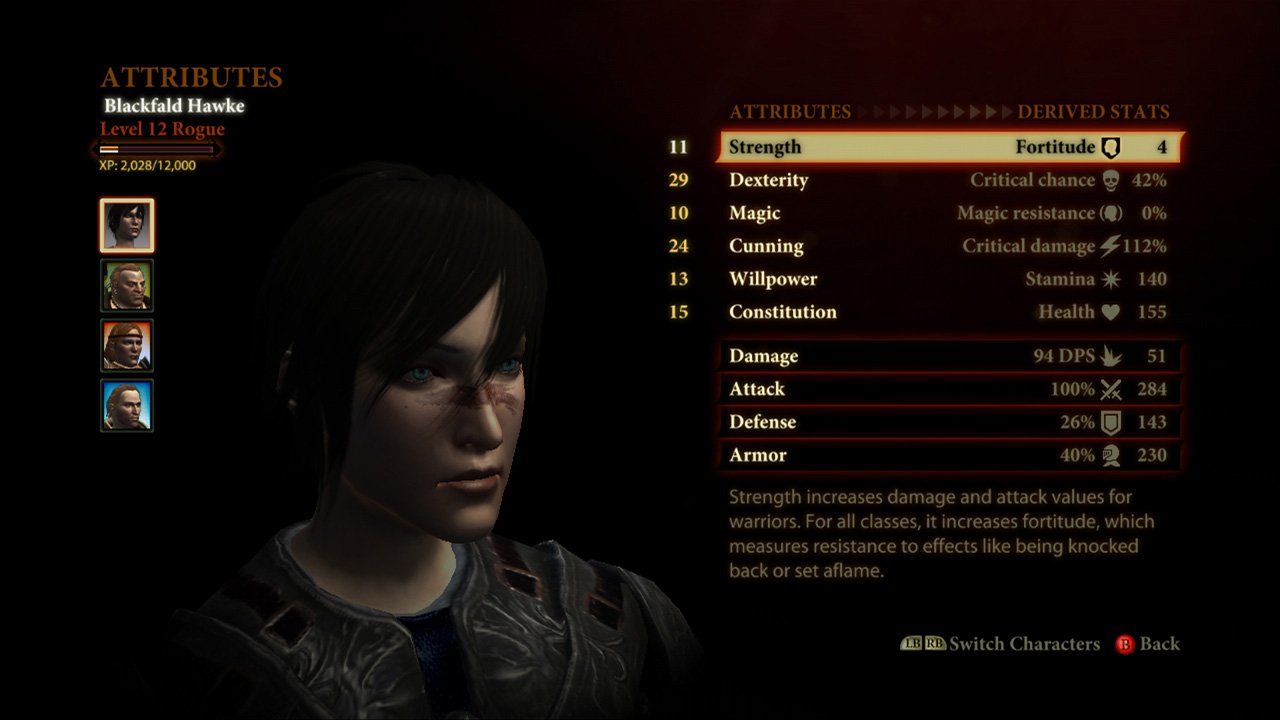
Dragon Age II expanded character progression through a network of class-specific ability trees, upgrades, and specializations.
The challenge was presenting a large amount of information without overwhelming the player. Through careful use of hierarchy, iconography, and layout, the interface provided both a high-level view of character progression and detailed information for individual abilities and upgrades.
The system allowed players to quickly explore progression paths, compare options, and manage complex character builds across multiple classes while maintaining clarity on both console and PC.


Dialogue & Narrative Presentation
Dragon Age II expanded on interaction patterns established in previous BioWare titles while adapting them to the tone and structure of the Dragon Age universe.
The dialogue interface was designed to communicate player intent quickly while maintaining the flow of conversations and cinematic presentation. Visual cues, iconography, and layout hierarchy helped players understand the tone of responses without requiring lengthy interruptions to the narrative experience.
Close collaboration with narrative, cinematic, and localization teams ensured the system remained readable and effective across a large volume of dialogue content.

Building for Multiple Platforms
Dragon Age II launched simultaneously on PC, Xbox 360, and PlayStation 3.
Supporting multiple input methods and display environments required careful consideration of navigation, readability, information density, and controller ergonomics. Throughout development, the interface was continuously refined to ensure a consistent experience regardless of platform.
This included adapting layouts, scaling information appropriately, and maintaining usability across a wide range of screen resolutions and viewing distances.

Process & Production
The compressed development schedule made efficiency a critical part of the design process.
I worked closely with gameplay, cinematic, engineering, and narrative teams to develop interface solutions that could be implemented and iterated quickly. Wireframes, prototypes, and production assets were developed in parallel, allowing the team to respond rapidly to gameplay changes and production requirements.
Dragon Age II successfully modernized the franchise's interface while supporting a faster-paced style of gameplay and storytelling.
The project demonstrated how established RPG systems could be streamlined for broader accessibility without losing the depth and player choice that defined the Dragon Age series.